
Improving Infrastructure for Modern Data Centres
The world relies heavily on data, which is why data centers are so critical to the functioning of the current digital economy. A data center consists of high-performance servers, storage systems, networking equipment, and other infrastructure that is used by businesses to store, manage, and distribute data.
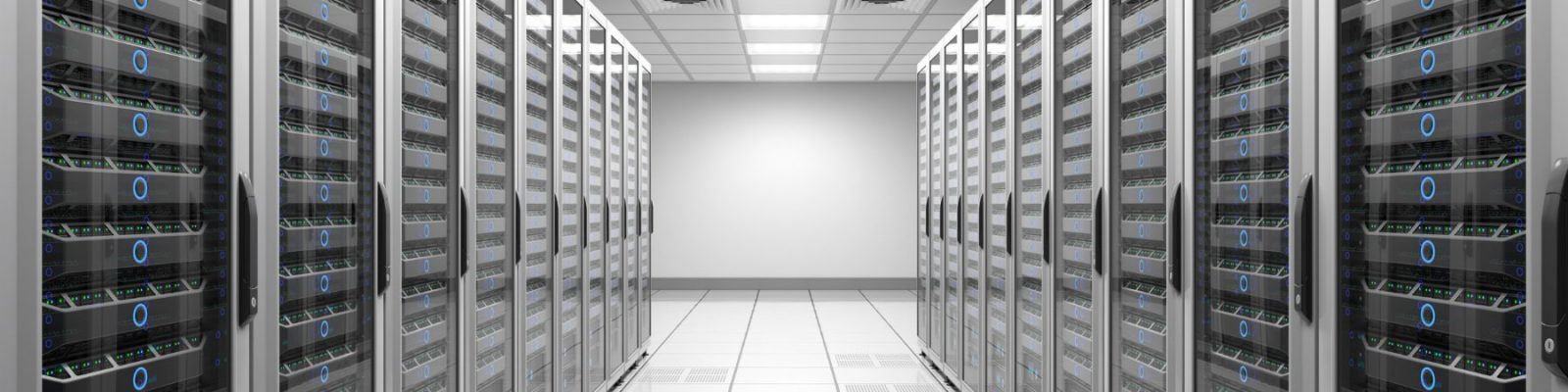
From cloud storage and streaming services to healthcare networks, almost every industry depends on accessing data fast. In this blog, we’ll explore how SAS is contributing to the infrastructure of data centers across the globe.
Why Data Centres Are Growing Fast
The demand for data centers has never been higher. An increasing number of businesses are making the shift towards digital transformation, cloud computing and AI. Thus, data centers are essentially the backbone of modern IT infrastructure.
Social media and streaming services produce petabytes of data every second – that’s equivalent to one quadrillion bytes, or 1,000 terabytes. This explosion of data means even more advanced server storage solutions are needed to accommodate the growing needs of consumers and businesses.
AI and machine workloads need high-performance computing and real-time data processing, which drives the need for advanced data centers. These AI-driven workloads need specialized GPUs (graphics processing units) and faster speeds than traditional data centers can offer, fuelling the need for modern infrastructures that can handle this huge amount of data efficiently. AI adoption will continue to rise, so companies are investing in data center upgrades to support their growth.
According to recent surveys , the majority of companies, big and small, are moving towards cloud computing over traditional on-site IT infrastructure as this allows them the ability to scale. This includes 90% of organizations now using cloud computing, and approximately 60% of companies running more than half their workload in the cloud. As a result, cloud providers are heavily investing in expanding their global infrastructure to meet the growing demand of major industries.
Common Challenges in Data Centre Construction
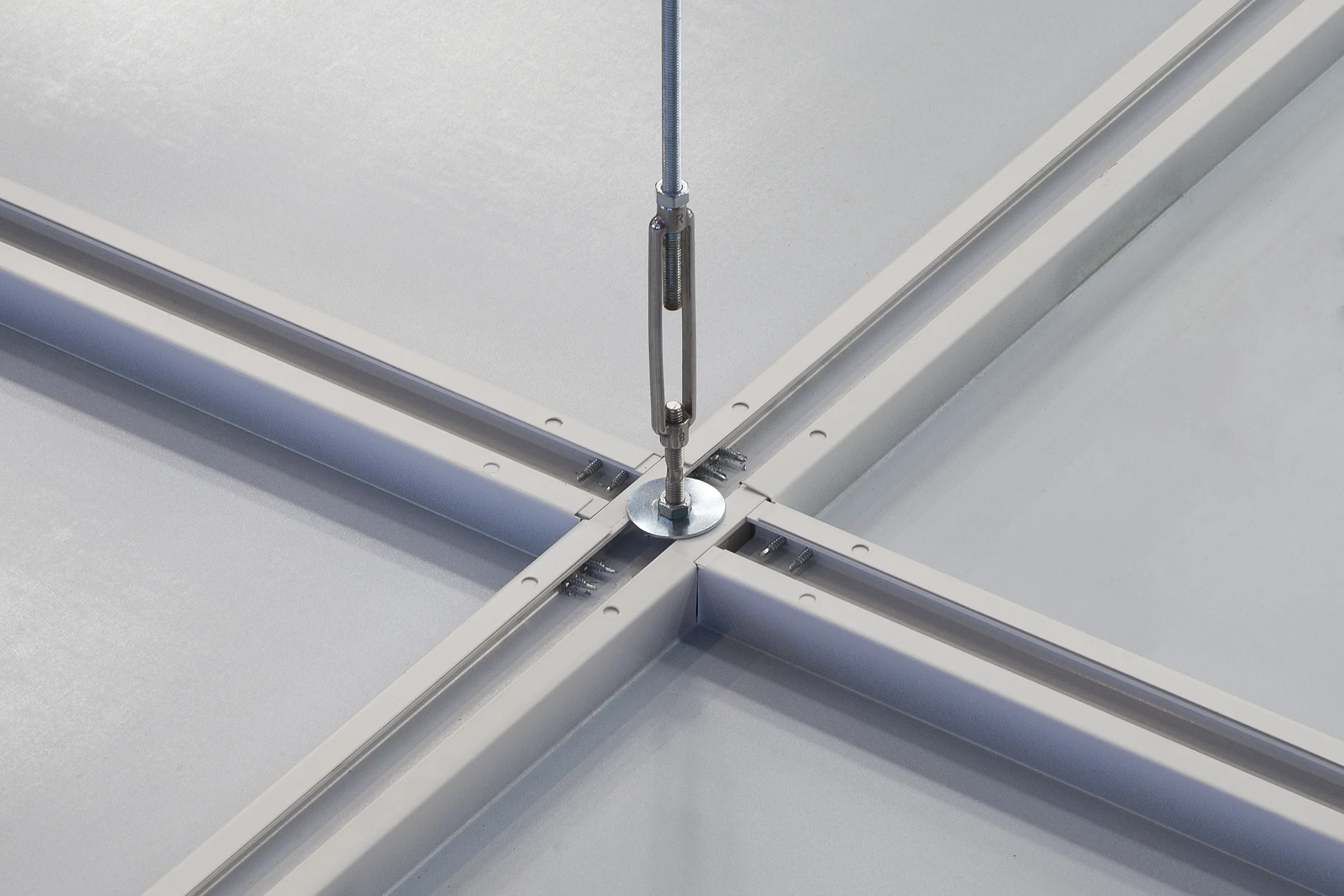
Data centers need suspended ceilings that can support the weight of heavy cabling, cable trays, and other overhead equipment. Traditional data centers often don’t have the interior infrastructure to bear the weight of cable trays while also providing access to HVAC and electrical services. Therefore, choosing a structural ceiling grid that accommodates these loads is essential. At SAS, we offer high-performance structural load ceilings that are ideal for data center specifications.
With the constant evolution of data and infrastructure needs, such as new equipment, cable rerouting, and replacement hardware, ceilings must be constructed in a way that makes access easy. In modern data center construction, modular systems that allow easy access mean ongoing operations and upgrades can be carried out efficiently. The weight-load of the ceiling and void access can be supplied to specification with a variety of choices including higher numbers of tiles (for access) or cross-tees and noggins (for strength).
Data centers need to adhere to certain safety standards, including ones for information security, telecommunications infrastructure, and fire protection. Emergency lighting, smoke detection, and fire suppression systems also need to be integrated to ensure inspections are passed and the risk to hardware and staff is at a minimum.
Cable routes are often a challenge in data centers as poorly managed cables can obstruct cooling systems, which can increase energy consumption or make maintenance and upgrades harder. Structural ceilings provide space for cable routes, which reduces clutter and improves accessibility for cable maintenance or replacements. This prevents downtime and enhances performance.
The Role of Structural Ceilings in Data Centres
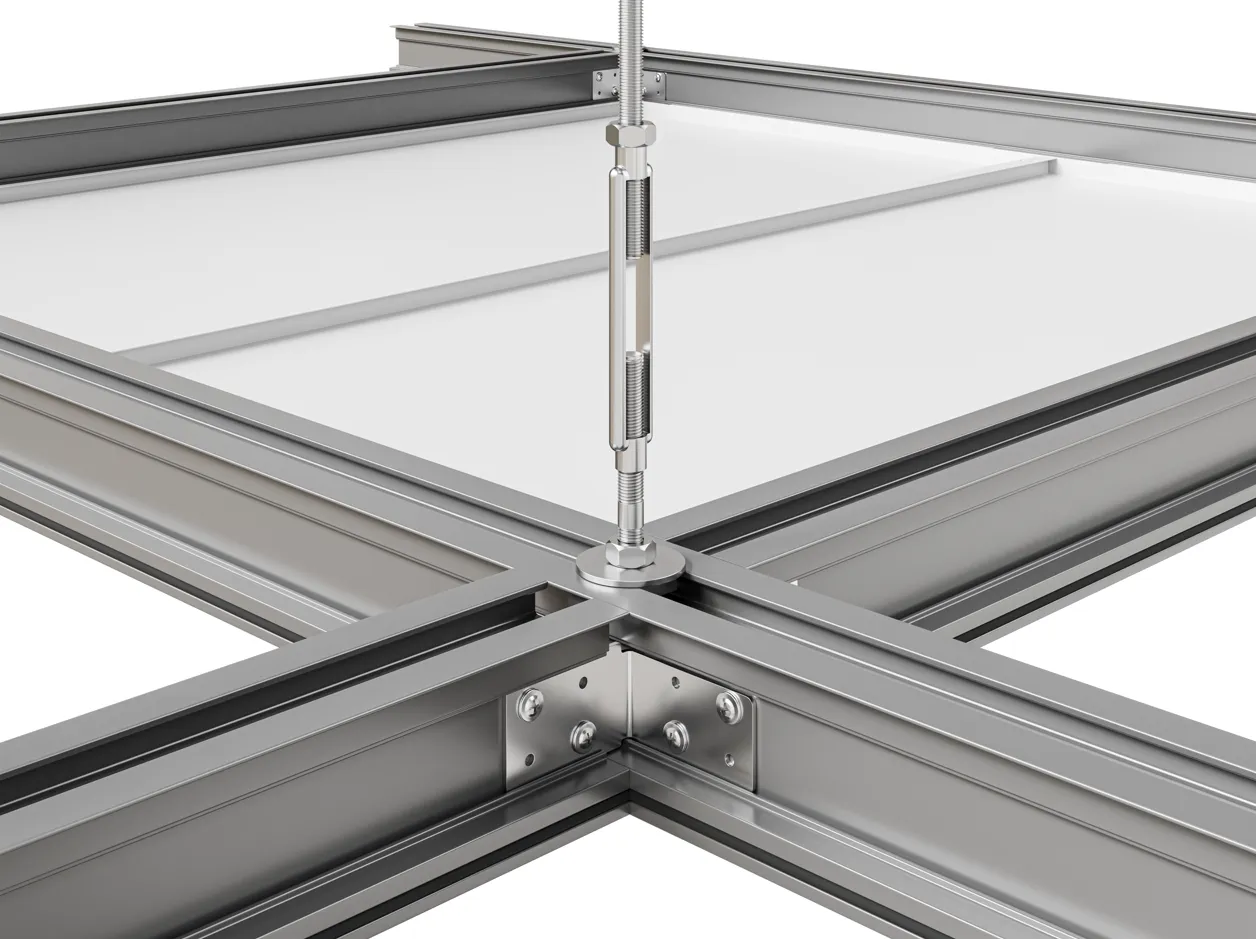
Although the first thing you focus on when you think of data centers is the power, the architecture of the ceiling is responsible for much more than just aesthetics. Structural ceiling systems offer data centers flexibility in terms of design and layout. For example, they can be reconfigured with channels in every main runner and cross tee to accommodate cable tray changes. This makes SAS380 and SAS385 Nexus the most versatile solution for modern data centers.
Looking to Upgrade Your Data Centre Ceiling?
If you’re planning on upgrading the infrastructure of your traditional data center while improving access and flexibility, SAS Nexus is designed with all those challenges in mind. This structural ceiling is designed to carry significant loads in a data hall environment and is quick and easy to install. SAS Nexus can be used in multiple configurations, making it ideal for data center specifications.
To learn more about SAS Nexus, click here .
SAS380 Nexus is a high-performance structural load ceiling solution specifically designed to provide direct support for cable trays and other large, heavy utilities in a data hall.
SAS385 Nexus is a high-performance structural load ceiling solution, capable of supporting a wide range of heavy-duty utilities in a data hall environment.