
Acoustics

SAS specialises in acoustic management, partnered with aesthetic design.

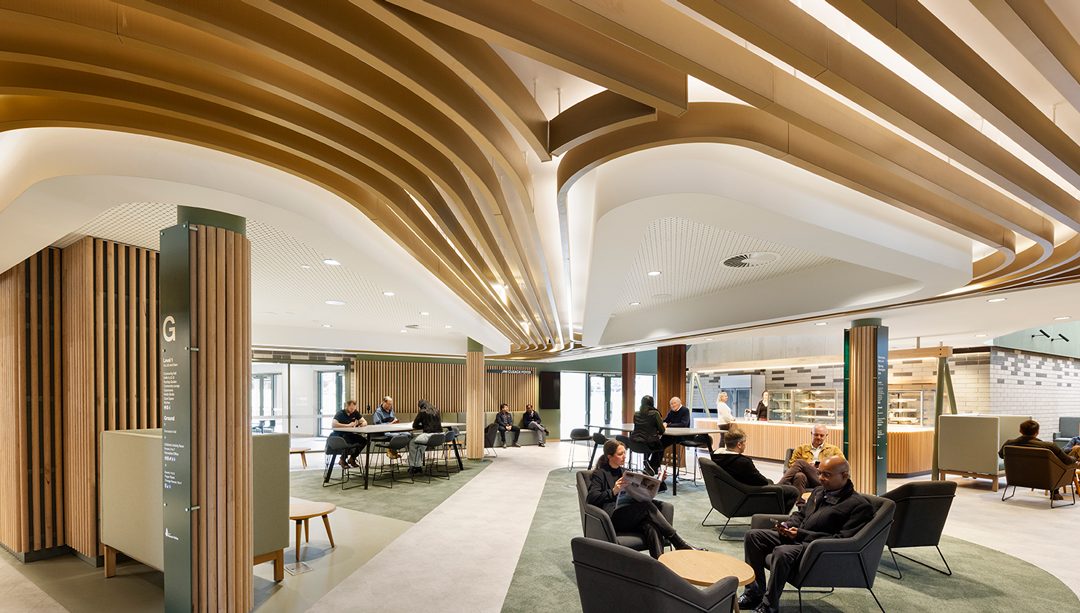
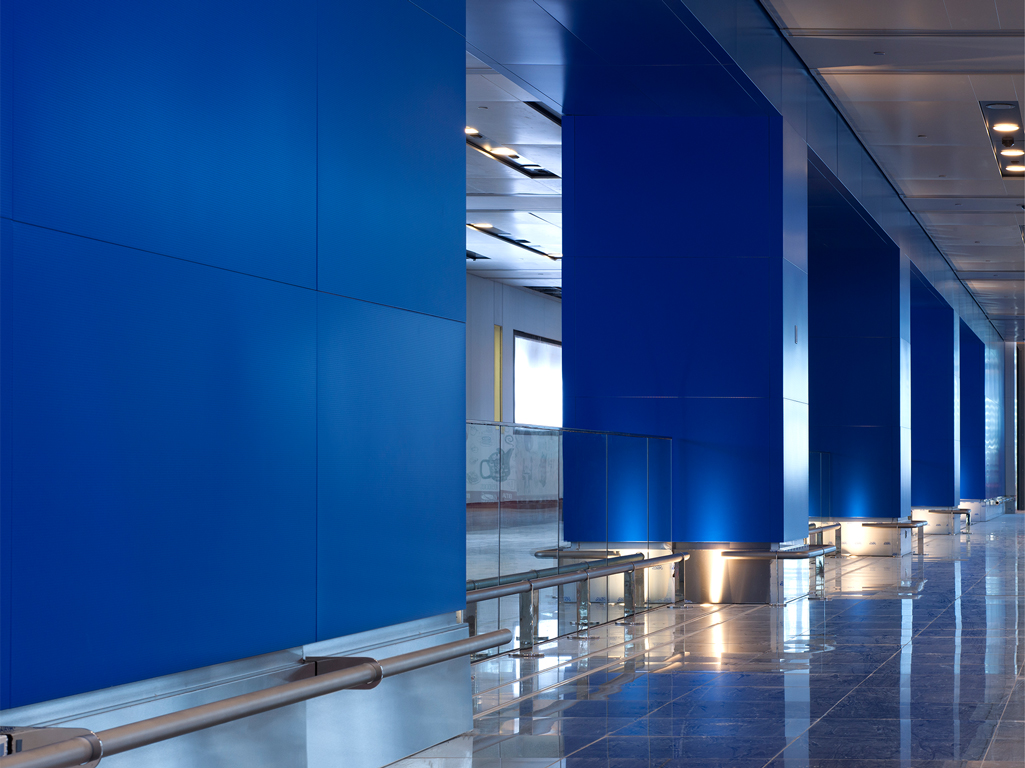
SAS stands for Special Acoustic Services – a name that has reflected our purpose since 1968. Working in partnership with architects and designers, we help ensure design and functionality work in harmony, so that acoustic performance enhances clarity, comfort and wellbeing in every space we contribute to. Our expertise is applied from commercial offices and educational buildings to transport hubs and public spaces.

Porshe-SAS120-Ret-Medium (22) (1)

The role of ceilings

Ceilings have real power over how a space performs. One of the largest continuous surfaces in most interiors, they can be highly effective in managing sound.

By controlling absorption and insulation at ceiling level, we can influence the acoustic character of an entire space – while maintaining its aesthetic quality. Without well-controlled acoustics, a room can become noisy and reverberant. Speech is harder to follow and spaces feel less comfortable to be in.

Get acoustics right, and you create a space that supports learning, productivity and occupant wellbeing.

Jill-Baffle-Hero

Beyond the ceiling

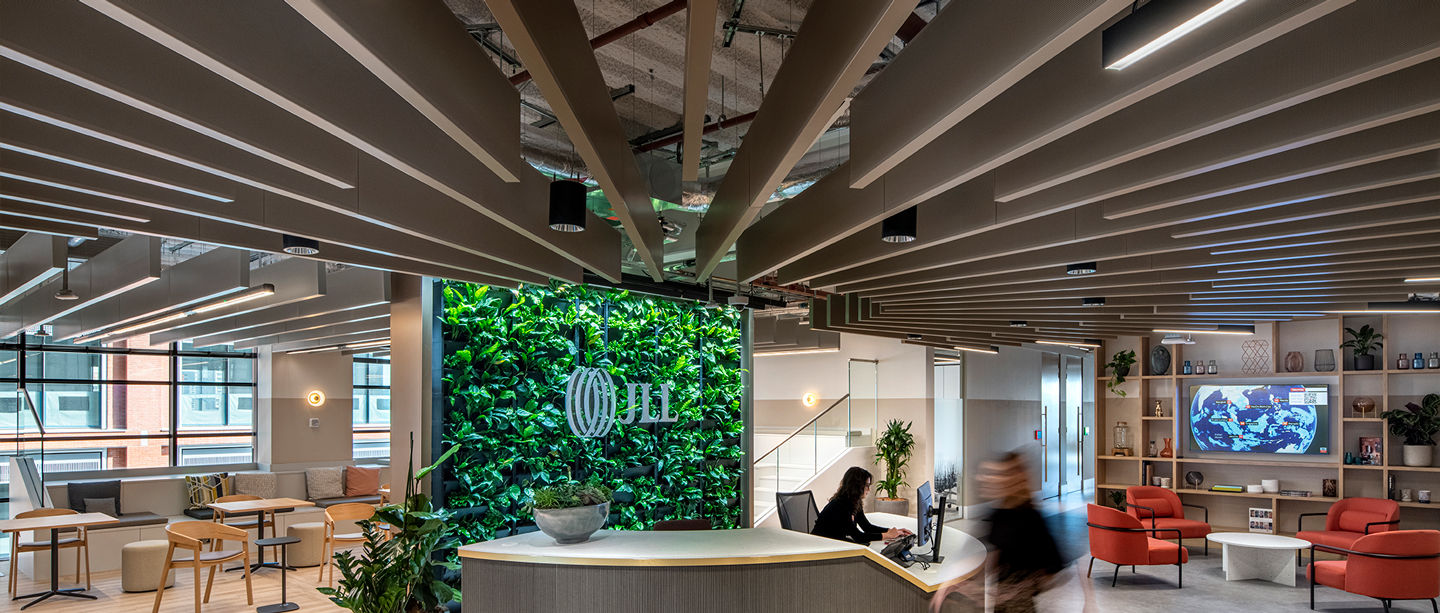
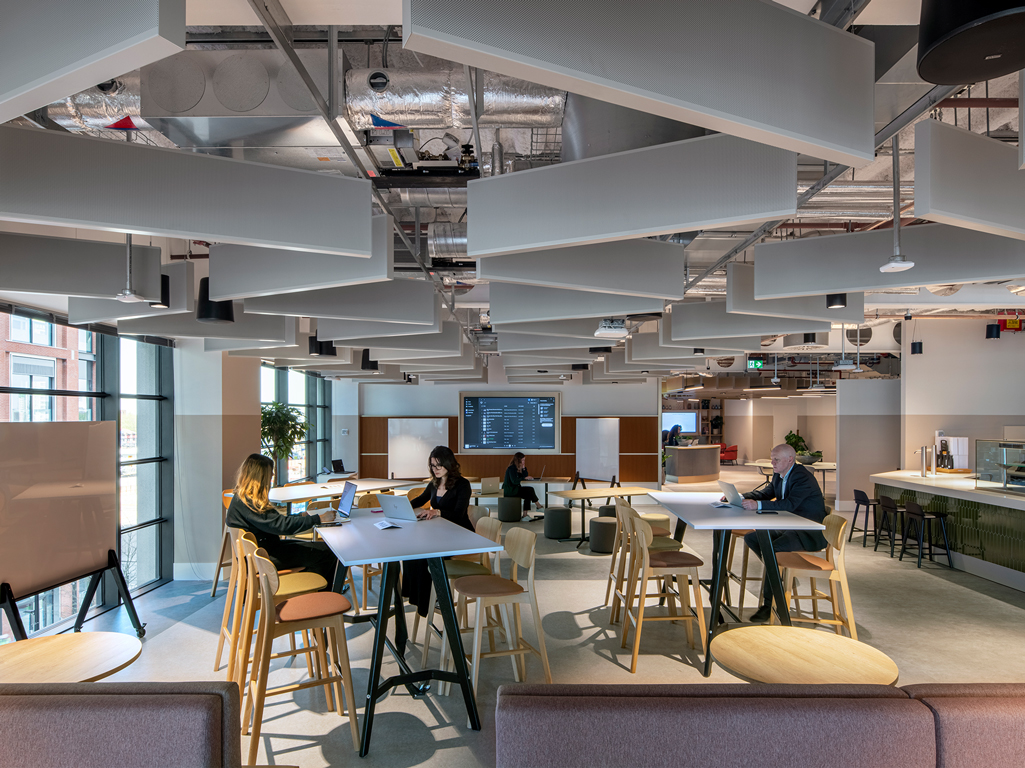
Alongside suspended ceilings, SAS offers rafts, baffles and wall panels – giving designers more than one way to manage acoustics in a room.

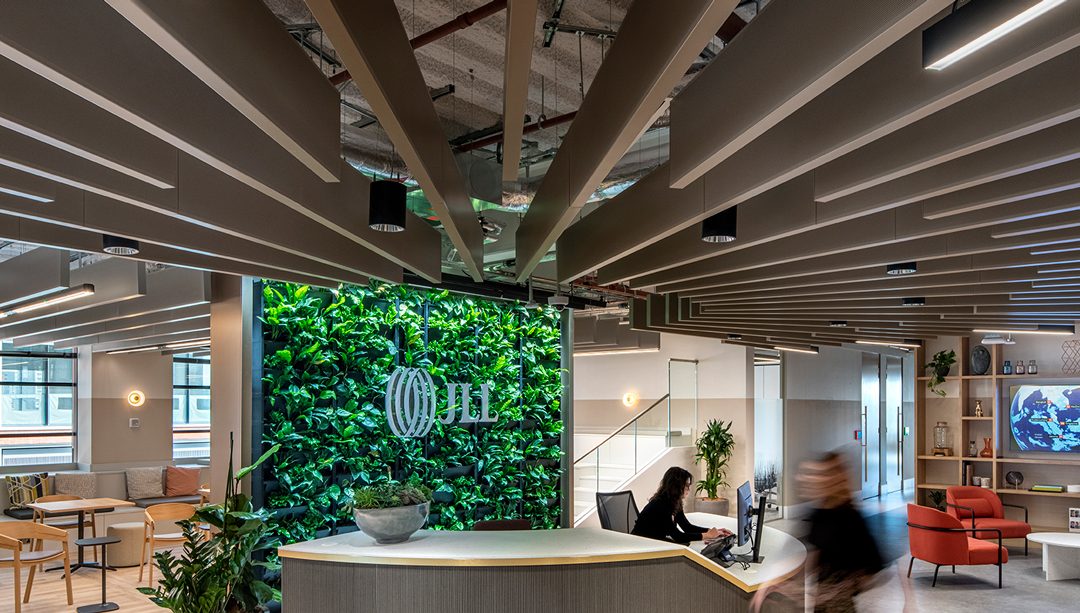
Rafts and baffles sit lower, ‘in the room’ rather than against the soffit. Their double-sided area and exposed edges make them efficient absorbers, well suited to open-plan and exposed-services interiors. Wall panels work in a similar way to ceilings, close to a reflecting surface. Each has a role, and our team can advise on the right combination for a given space and specification.

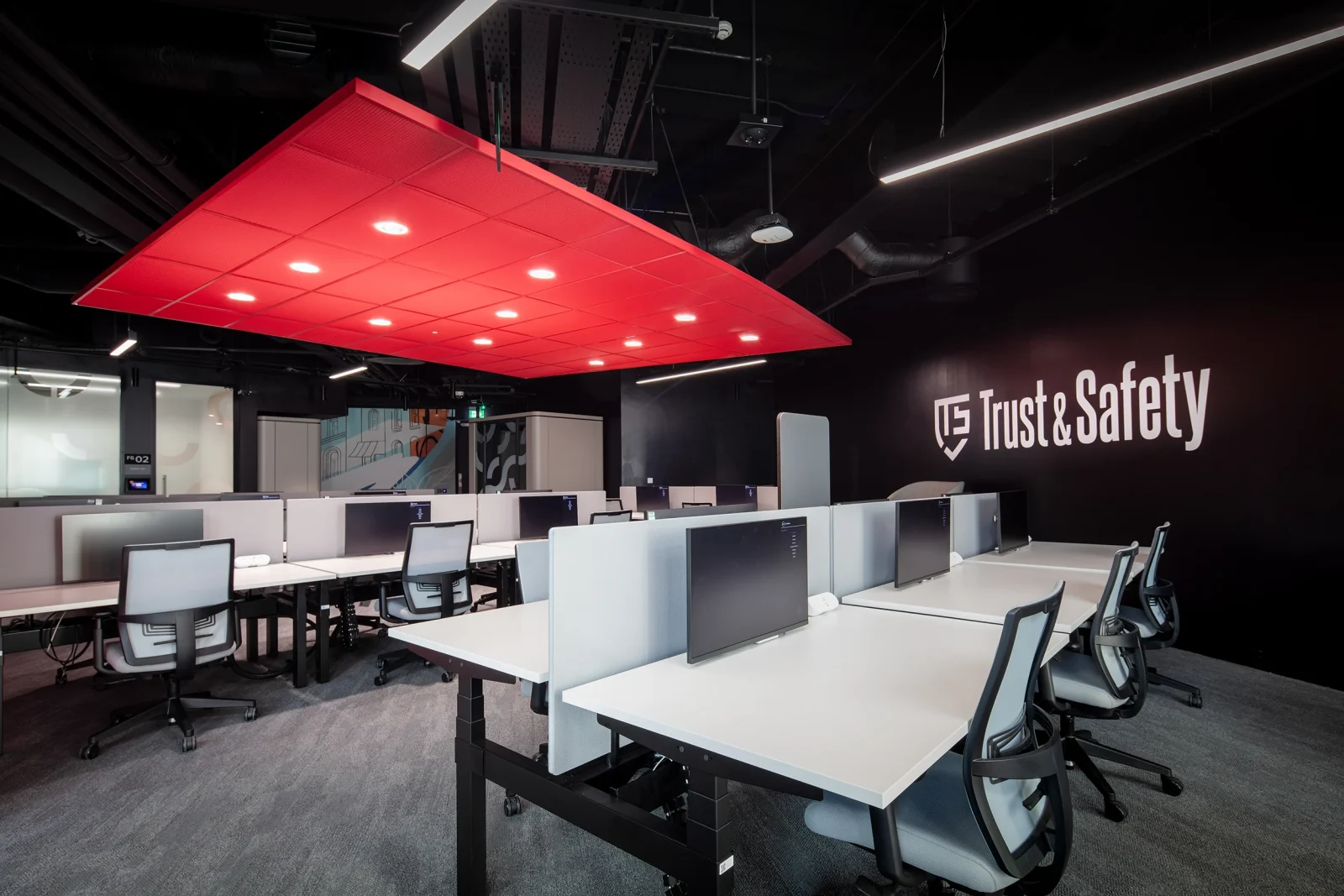
Raft configuration with mesh rectangular tiles

THE SCIENCE OF SOUND ABSORPTION

Sound absorption measures how much sound a surface takes in rather than reflecting back into the room. It’s expressed as a coefficient between 0 and 1, where 1 means all the sound is absorbed. Without absorbing surfaces, sound keeps bouncing around and a room becomes noisy and reverberant. Introducing absorption reduces the overall noise level and lets sound decay more quickly. Porous materials are most efficient in the mid-to-high frequency range – which happens to be where speech sits.

Performance is defined by the international standard BS EN ISO 11654:1997. The Sound Absorption Coefficient (αs) and Practical Sound Absorption Coefficient (αp) describe absorption across different frequencies; the Sound Absorption Rating (αw) reduces this to a single figure; and Sound Absorption Class ranks a surface from A to E, with A the most absorbing. For most projects, the αw figure or the A–E class is enough to guide selection – detailed frequency data is usually only needed by an acoustician.

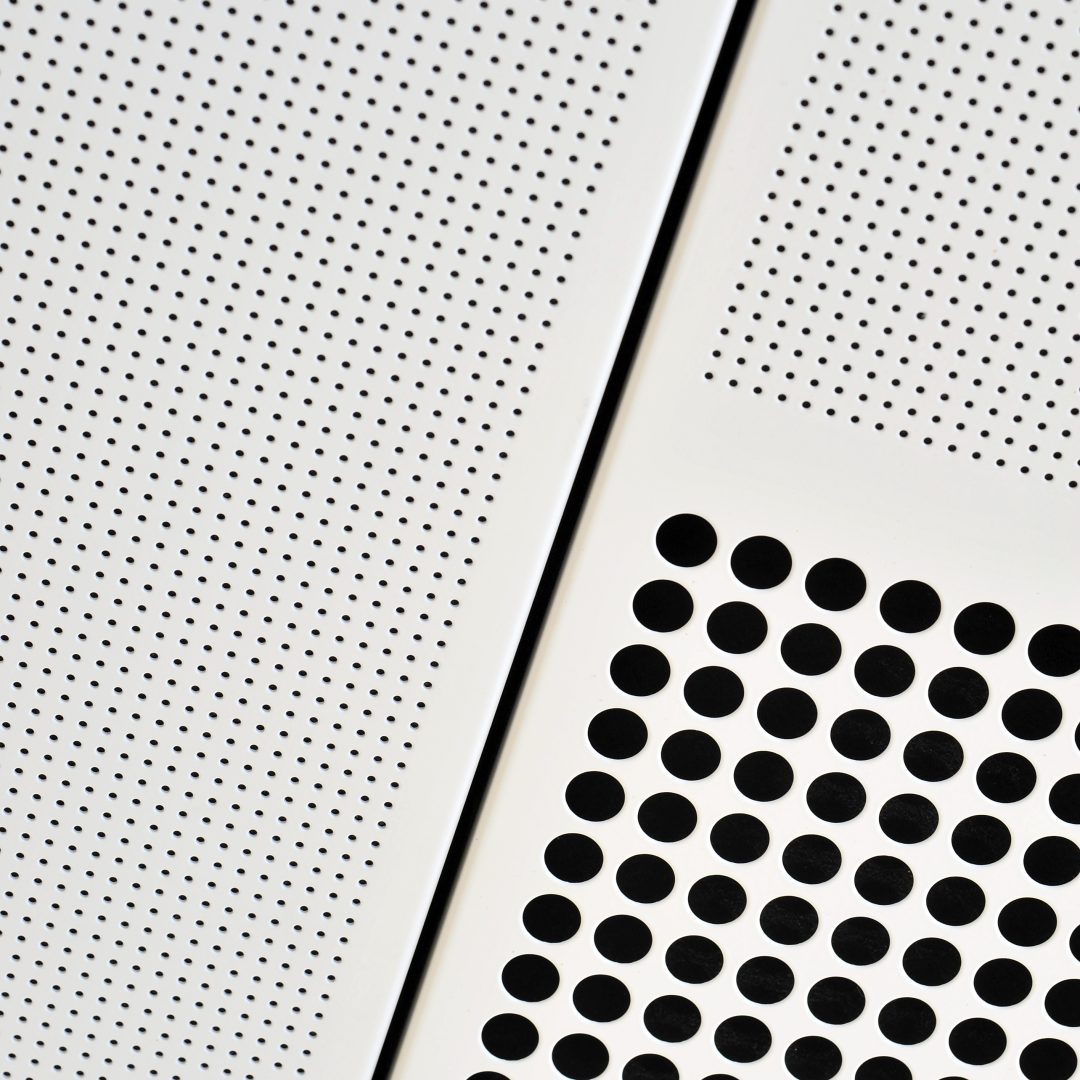
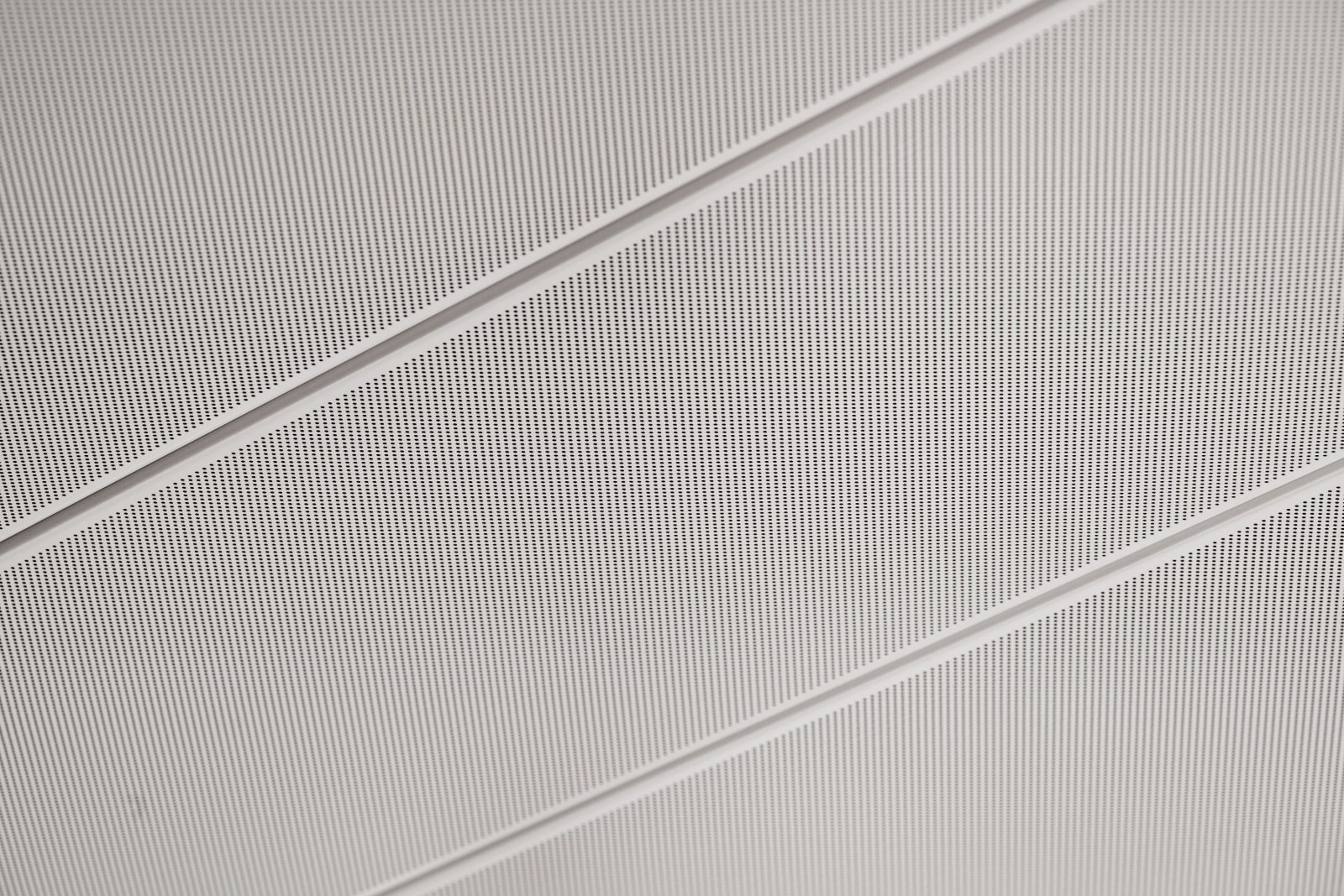
Our tiles pair an open-cell porous backing – typically mineral wool – with a perforated metal face. The perforation allows sound to pass through to the material behind, where air movement is dampened and the energy dissipated. The size and number of perforations matter: below around 10% open area, higher frequencies start to be reflected; above roughly 25%, there’s little further benefit. Through careful specification of perforation, backing and cavity, a surface that is 97% metal can still achieve Class A absorption.

This is a common misconception. Metal can look acoustically ‘solid’ because it reflects most light. However sound is a wave, and it passes through the perforations much as an on-shore wave moves past someone standing in the shallows. Specified correctly – with the right perforation, mineral wool infill and cavity depth – metal tiles absorb sound as well as, or better than, many commonly specified alternatives such as mineral fibre.

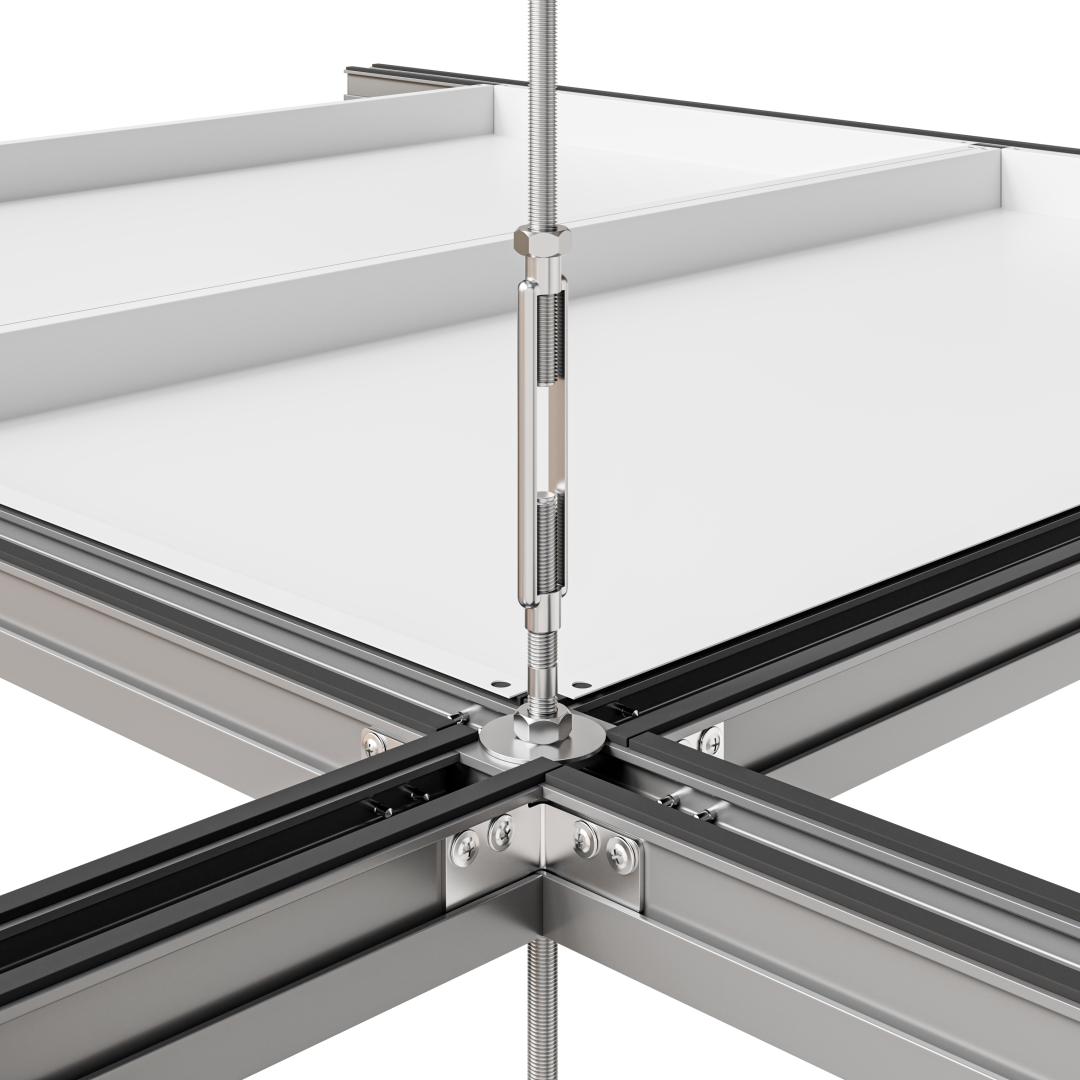
Ceilings sit close to the soffit and manage sound in two ways: absorbing it, and – using a solid backing element in the rear of the tile – limiting its transfer through the ceiling void, giving ‘double pass’ insulation up to 50 dB. Rafts and baffles sit lower, ‘in the room’: their double-sided area and exposed edges make them efficient absorbers, though low-frequency absorption is lower than a full ceiling. Wall panels work like ceilings but with a smaller cavity, which reduces low-frequency absorption.

Three factors govern how a system performs: perforation type, infill and cavity (void) depth. Most SAS systems are laboratory-tested at a 400 mm void; a shallower cavity raises the low-frequency limit of absorption. Larger tiles absorb more at low frequencies, and while border width has a theoretical effect, in practice it is minimal. Every SAS product is backed by accredited laboratory data, and we can predict performance accurately for bespoke variations of our standard range.